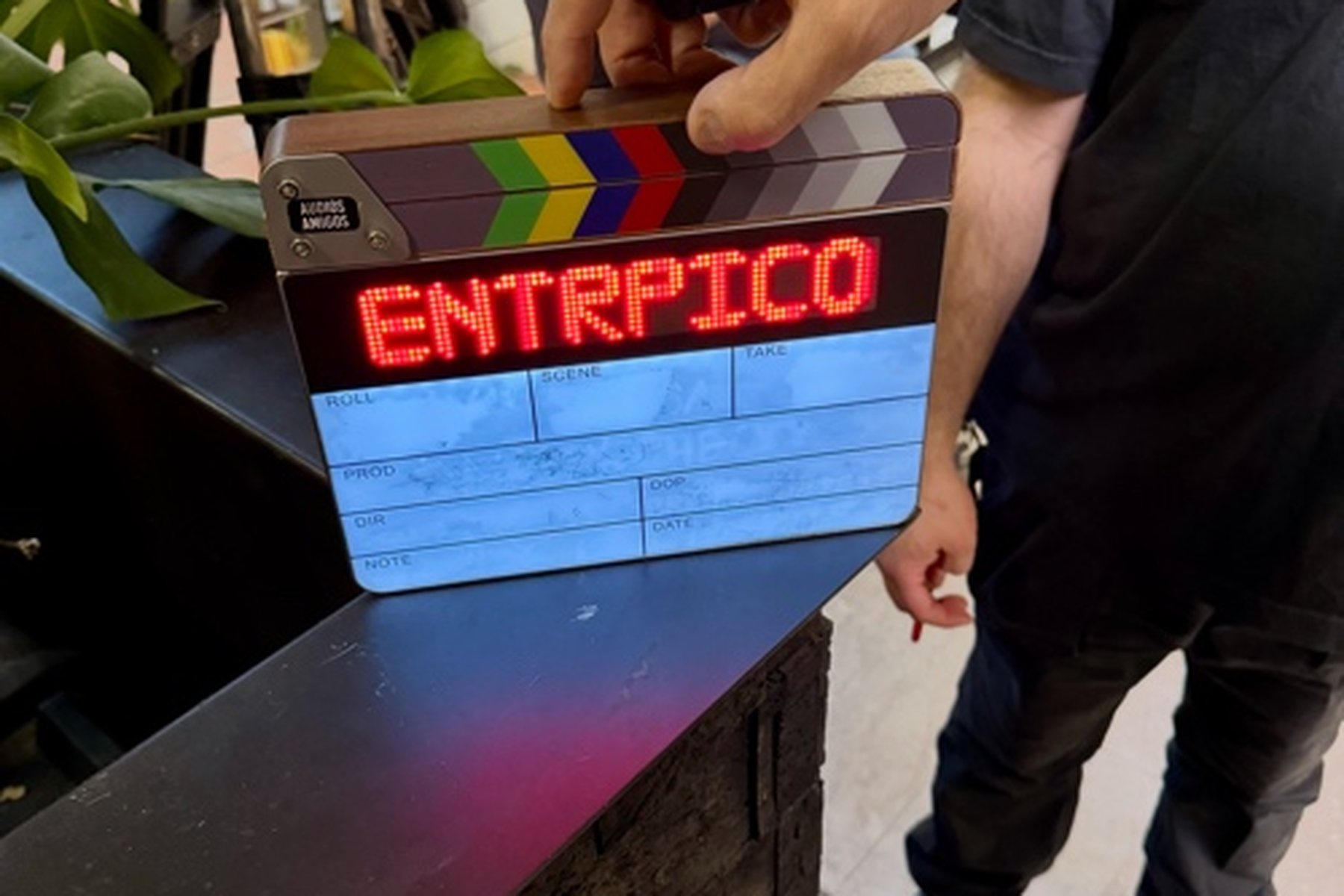
A question for you: how many clapperboards have you seen in videos in the last ten years? Not for sync. We stopped needing it for sync a long time ago. It's there because someone, somewhere, decided the audience should see it. A slate snapping shut at the top of a cut has become shorthand for "real people made this, on a real day, and it was hard."
I used to think that was a bit of a cliché. I now think it was an early warning.
The middle is disappearing
Here's the shape of what's happening across the creative industries. The stuff that is easy to make is getting cheaper, fast, and heading towards free. The stuff that visibly took effort is getting more expensive. The middle, the competent-but-indistinguishable work that most of the industry used to run on, is being hollowed out from both sides.
This isn't new. Directors have been shooting on film for years, well past the point where it made any rational sense, because audiences can feel the difference even when they can't name it. Bands still book a week in a studio and record to tape when they could do it in a bedroom in a weekend. Nobody does this to save money. They do it because effort, when you can see it, is worth money.
What's changed is that the easy end has got dramatically easier. So the gap between "anyone could have made this" and "somebody really made this" has become the most important gap in the business.
Show the work
Watch how web videos open at the moment. More and more of them start with a behind-the-scenes shot. A crew, a camera on a slider, someone laughing at a monitor. Then the piece proper begins. That's the clapperboard again, just louder.
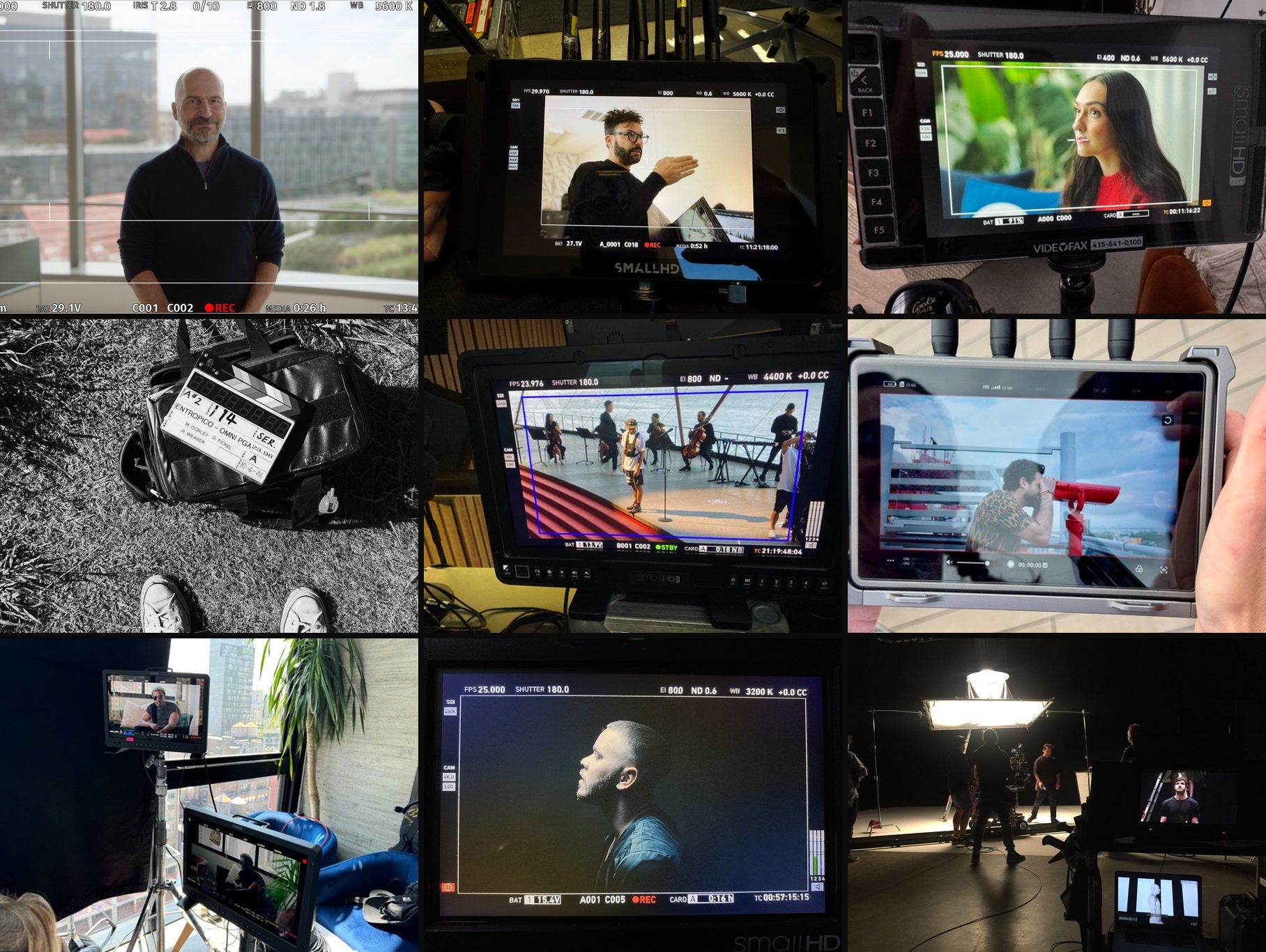
The documentation of the effort is becoming as much a part of the work as the work. A few years ago the BTS cut was a nice bonus for the client's internal comms. Now it's often the first thing the audience sees, because it answers the question they're asking before they've consciously asked it: did people actually make this?
I think this keeps going. Process stops being the thing you hide to make the magic look effortless, and becomes the thing you show to prove the magic was earned.
What it looks like from inside a company
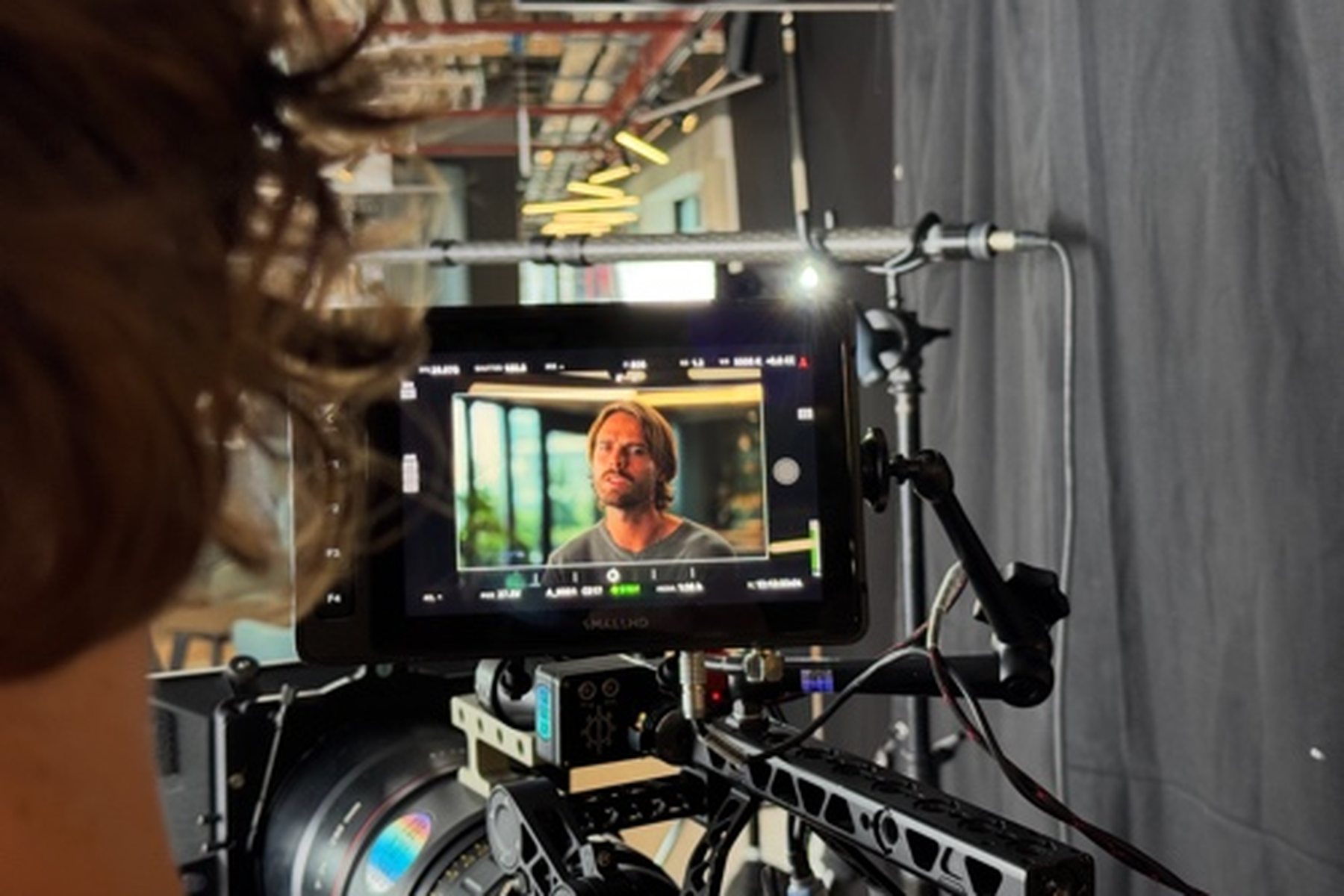
Running Entropico, I see this in who we're trying to hire. The demand for genuinely senior practitioners, people who can carry a job on their shoulders and whose craft is obvious in every frame, is higher than I've ever known it. Those people are expensive and getting more so, and clients are happy to pay, because the thing they're buying is precisely that the work couldn't have come from anywhere else.
At the same time there's real demand for younger people who treat the process itself as the interesting bit. Who shoot the making of the thing as naturally as the thing. Who understand instinctively that the audience wants to see hands.
What there's less and less demand for is the middle. Safe, clean, fine. Fine is now the default setting, and nobody pays a premium for the default.
Canaries
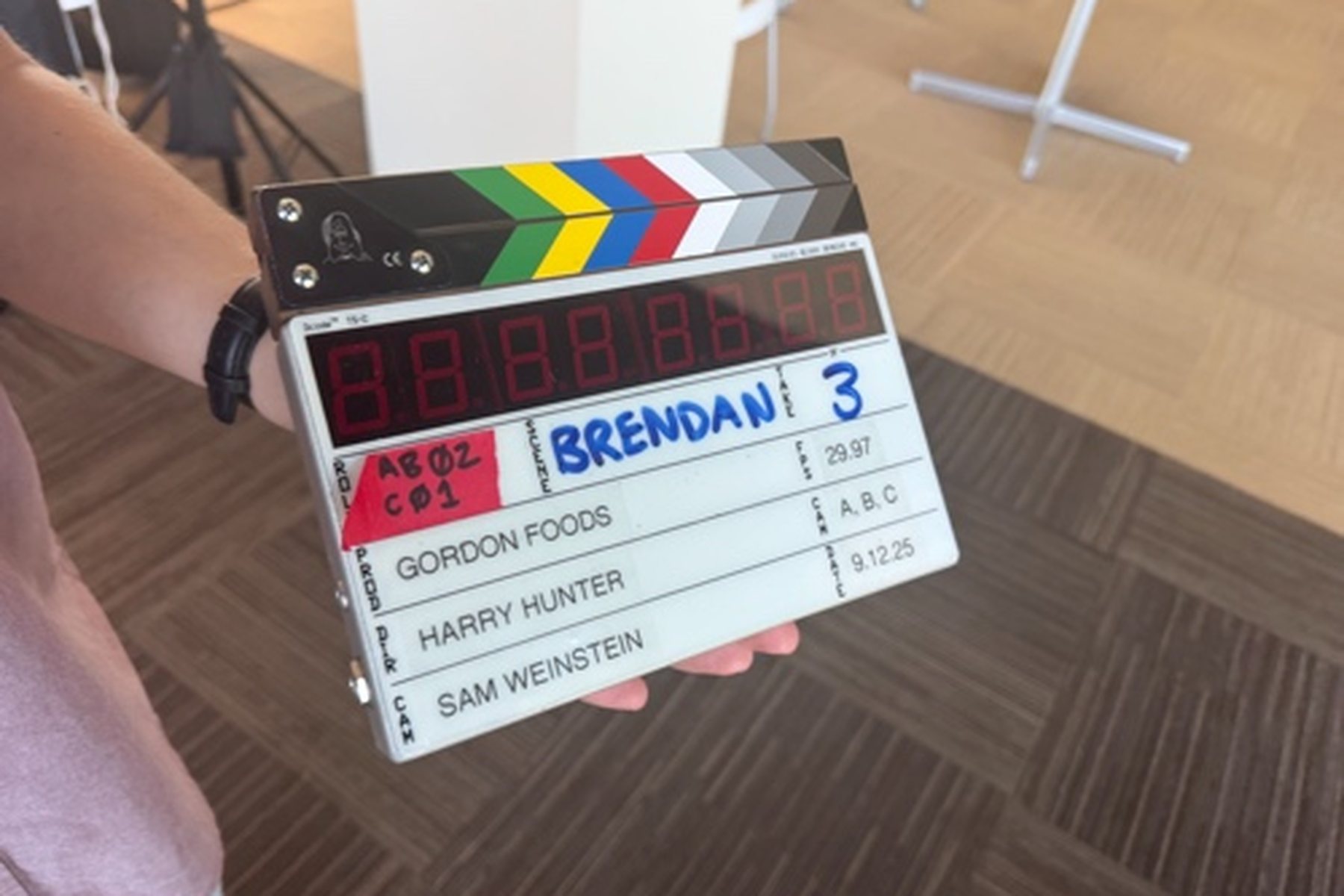
Creative people are the canaries in this particular mine. Developers are in there with us. But I don't think it stays in the creative industries, or in software. As humanoid robotics starts to change how things are manufactured and installed, the same split arrives in every industry: the version that was made at scale, with no visible effort, and the version where you can see a person was there.
You can already buy a pair of scissors for $2 from Staples. You can also buy a pair for $48 from a workshop where someone grinds and sets each blade by hand, like Craighill. Both cut paper. The $2 pair will get cheaper. The $48 pair will get more expensive, and the people queueing for them will be able to tell you exactly who made them.
That's the whole idea in one object. In the new era of creativity, and eventually in everything else, proof of effort is the product.
