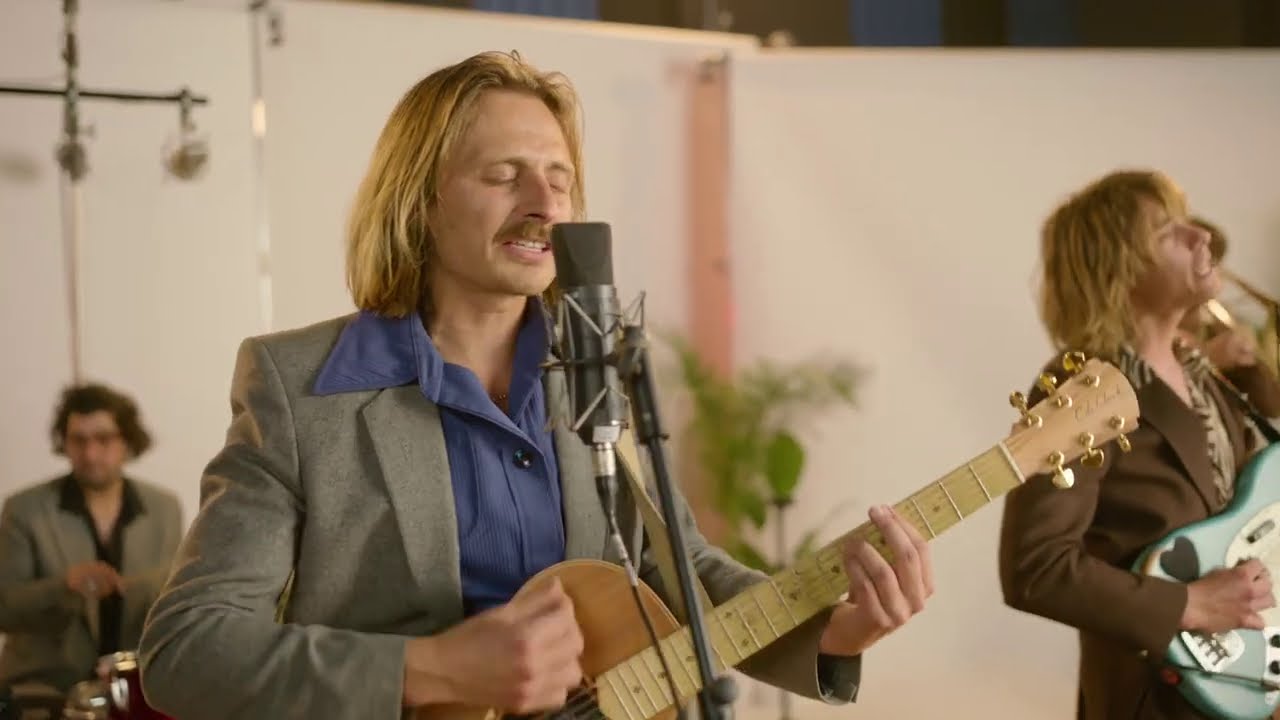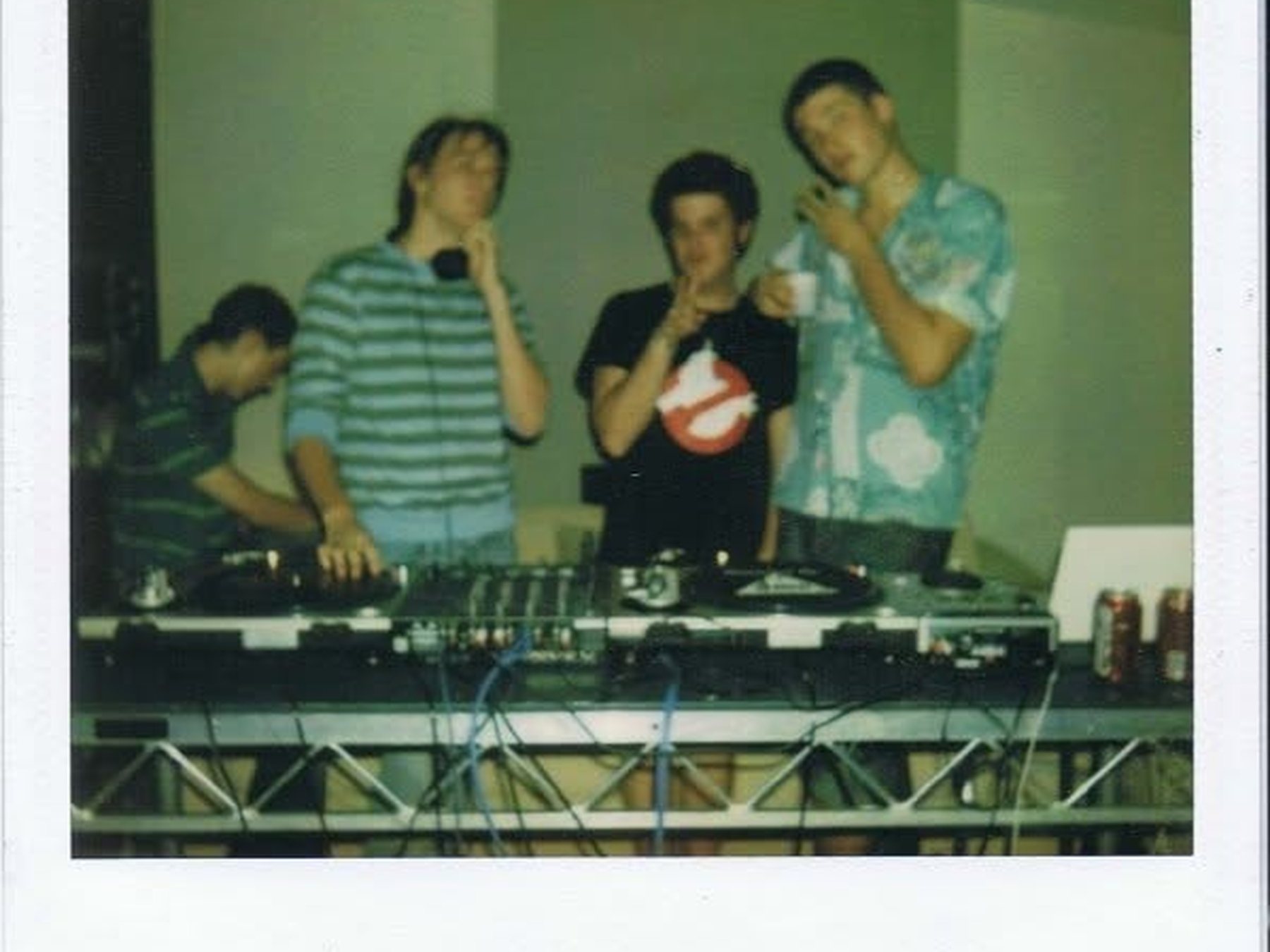
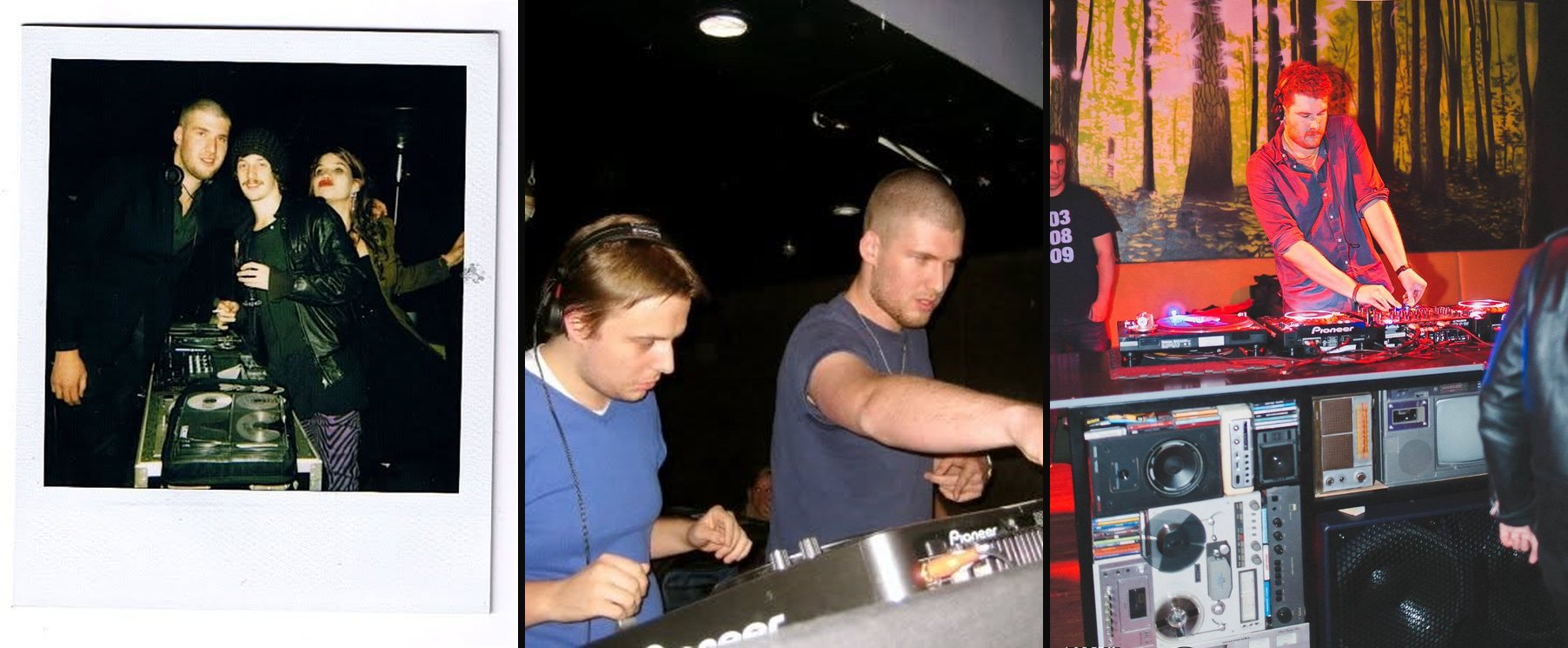
I started DJing in clubs in Sydney when I was 15. I was buying records off older kids at school, fast stuff, 160 to 180 BPM happy hardcore from Pete Finley, with Jack and Chris from the Bag Raiders letting me grab their Disco D MP3s and midwest art rap. A little bit from everywhere, played out to rooms I was technically too young to be in.
What I remember most from that time isn't the music. It's the choosing. This was 2003, 2004, and on any given Saturday night the same city split cleanly into tribes based on the music and the scenes around it. The breaks people went one way. The house and electro kids went another. On paper it was all just "going out," but where you actually spent your night was decided by the venue, the style of music, and which DJs you followed from room to room. Nobody wrote the rules down. Everybody knew them.
Even at 16 I could see that these people weren't identifying as Australians, or as kids from whichever suburb they'd grown up in. They were identifying as breaks people, or electro people. That was the flag.
This isn't new
Ask most people what they belonged to in the years when they had an extreme amount of disposable attention, and they'll have an answer: a music scene, a skate crew, a football club, a web forum. It usually means more to them than their passport. The post-war generations of the 50s and 60s did this at scale: hippies, bikers, sharpies, teen fan clubs. The 70s and 80s pushed it worldwide through genre wars, disco versus rock. Then the internet supercharged it, and every micro-scene could sustain and build its own culture. For more than half a century it has been entirely normal to be a punk, or a raver, or a hardcore kid, or a gamer, before you are a citizen of anywhere. Music and cultural moments became the primary way people told you who they were.
My argument is that this is about to triple down, and the reason is the tools.
When anyone can make anything
We are getting, quite quickly, to a state where anyone can make anything, or at least a convincing facsimile of anything. When that happens, the act of making stops telling you much about a person. Everyone can make. So what's left?
What's left is what you choose to be into. The scenes you belong to, the things that genuinely excite you, the people whose work you follow and whose rooms you turn up to. When making is cheap, belonging is the differentiator. The choice of a scene becomes the most valuable thing you own, because it's the one thing a tool can't generate for you.
Where Entropico came from
The early parts of Entropico came straight out of that Sydney scene. Our first clients were DJs and producers we knew sideways, from playing the same clubs and standing around in the same smoking areas. We made a music video for Hayden James, who used to DJ on the same bill at Candy's Apartment. We made one for Benny from Bang Gang. One of our very first videos was for Touch Sensitive. Then came the music festivals, and the brands attached to them.

That tribe, the one I'd spent 17, 18, 19 inside, became the on-ramp. It's how we learned to make things, how we learned to get better, how we pushed the work further. There wasn't a business plan that said "the key to growth is a regional electronic music genre". There was just a scene.


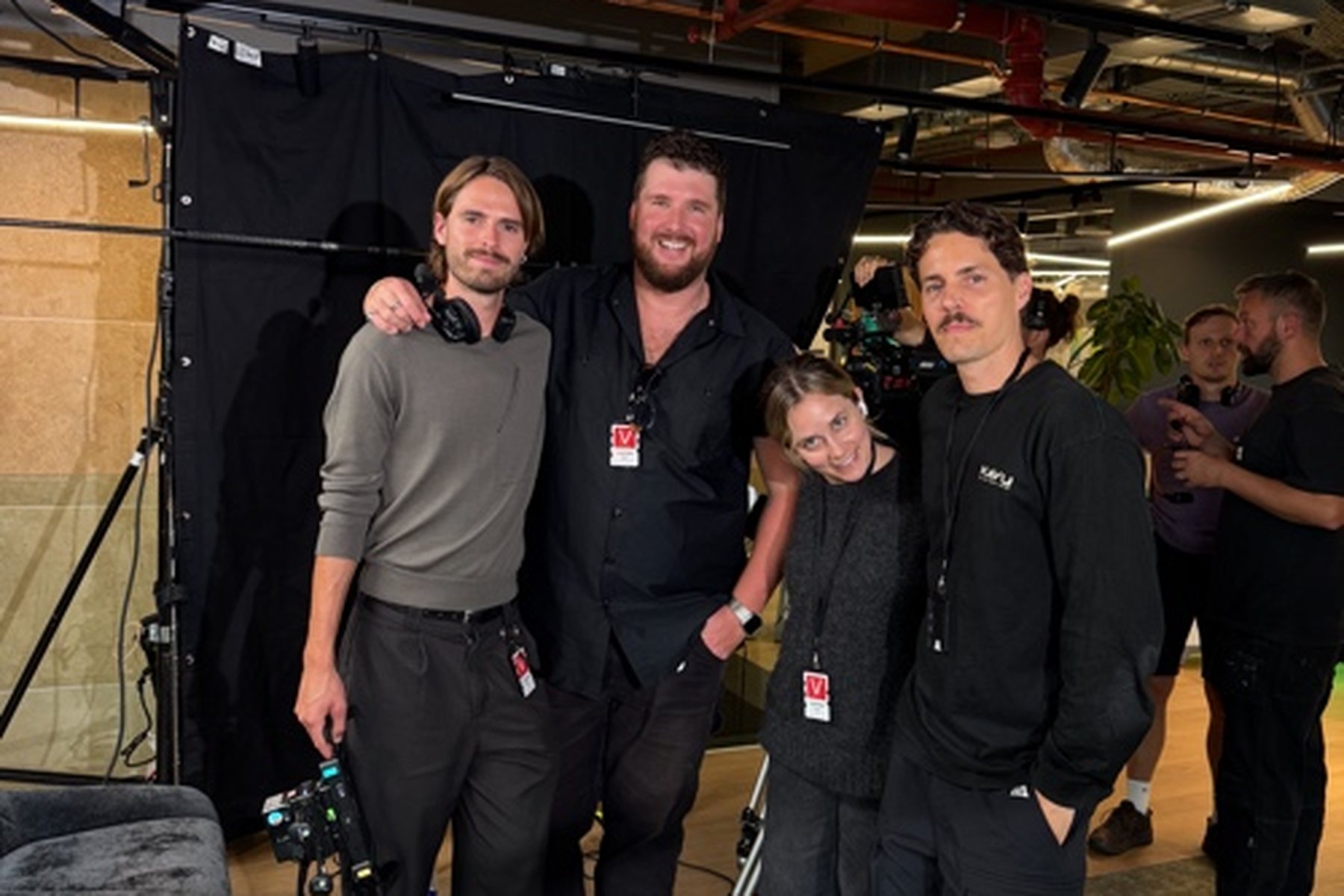
And it hasn't really changed. Entropico now has offices in Los Angeles, Sydney, New York and London, and the honest truth is that the cities matter less than the thing that binds the people in them: being into stuff. Being excited about things. Having a positive, curious engagement with the world. That's the allegiance, and the choice to work the way we do comes out of it. It's not where you're based, it's what you're drawn to.
The flag you stand under
So here's the prediction. As agentic tools make everyone a capable producer of almost anything, the question "what can you make?" will matter less and less, and the question "what are you into?" will matter more than it ever has. Nation states and hometowns will keep their place as the location that you originate from. But your first allegiance, the one that actually decides where you spend your Saturday night and who you build a company with, will be to the scene.
I worked that out at 16 with a crate of records I couldn't really afford. It just took the rest of the world a while to catch up.